
For the Children or Family of a Senior Loved-One; My Mother’s Gift to Me
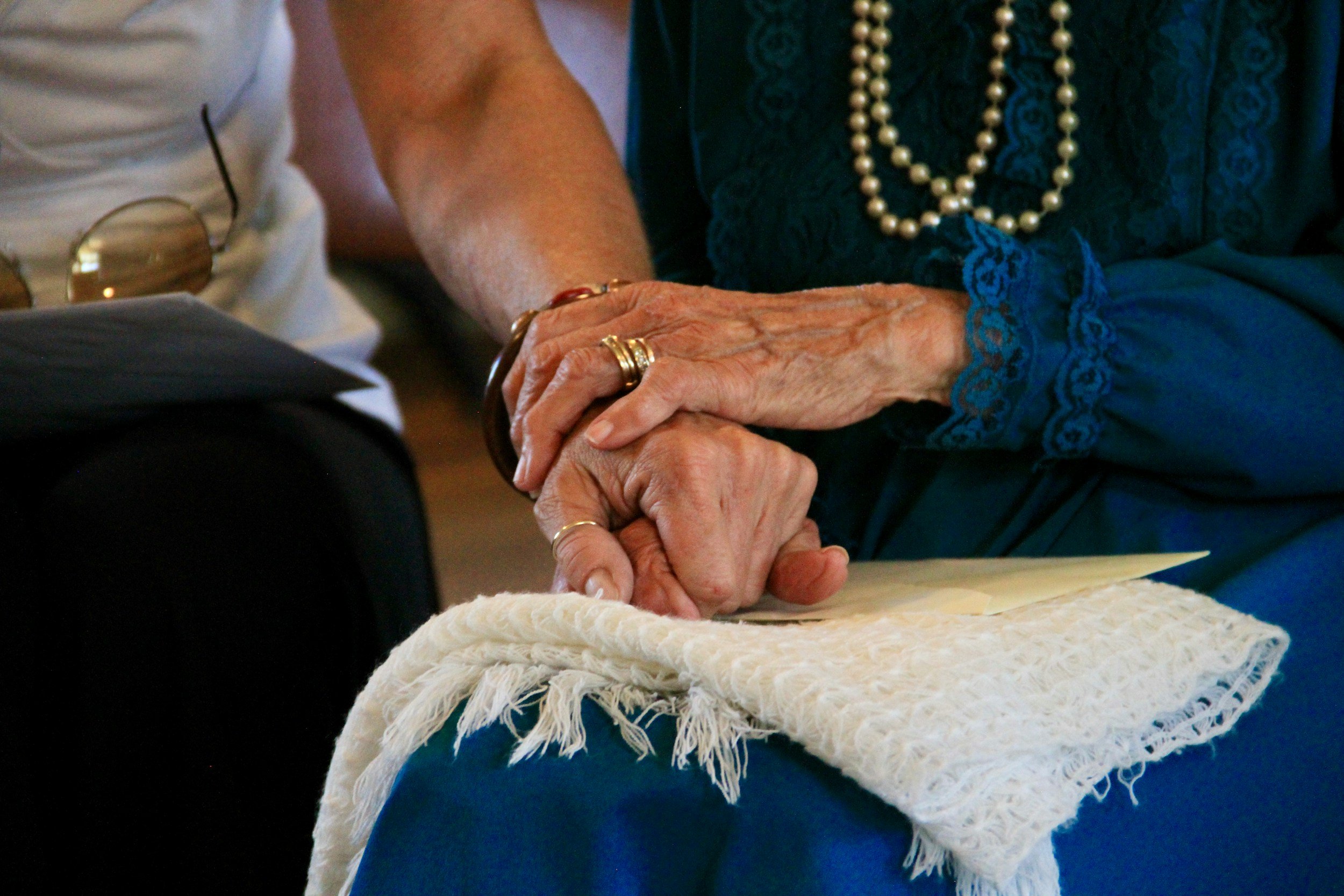
I have written two books about older adults transitioning from their long-time homes into senior communities or apartments. Everything I learned came from listening—carefully and compassionately—to the families and seniors I’ve been honored to help over the years. I saw the patterns. I felt the fears. I witnessed the obstacles and, just as importantly, the relief that followed when the right plan and the right support were in place. I even built my entire business team around easing this very transition.
What I didn’t know at the time was that one day, all of those lessons would come home to me—quite literally.
A few years ago, my mother, then 91, suffered a minor stroke. Thankfully, she retained her physical abilities, but her balance was affected. It was a warning shot—one that quietly but firmly changed how she saw her future. Mom had been living alone in the condominium she shared with my father, who passed away ten years earlier. They were married for 61 years. Living alone had been difficult at first, but as so many resilient seniors do, she adjusted. She became independent again. The plan was simple and heartfelt: she would live out her life in that home, surrounded by memories of the man she loved.
But as we all eventually learn, we can make plans in life—we just can’t always plan the results.
After her stroke, her confidence was shaken. Living alone no longer felt safe. Her greatest fear was not the loss of comfort, but the loss of independence. One fall, she worried, could change everything. She made the decision to move temporarily into my sister’s home while she figured out her next steps.
That “temporary” solution included three dogs, grandchildren, and limited space. After a few months, Mom knew in her heart it was time to look at another option. She didn’t want to be a burden—though my sister would have gladly had her stay forever.
If you’re reading this as an adult child in your 50s or 60s, this story may sound very familiar. If you haven’t faced it yet, chances are you will. And if you’re a senior yourself, you know how daunting a move like this can feel. Many will delay it as long as possible, even when isolation or a home that no longer fits their needs begins to take a quiet emotional toll—sometimes leading to sadness or depression.
At first, my mother was apprehensive. At times she was angry. There was loss, fear, and grief wrapped together. Over the years, I’ve learned one essential truth: the best antidote to fear is knowledge.
I asked my mom if she would join me for dinner at a senior community near to the condominium where she had lived. I felt would be a good fit. She agreed, and I invited my siblings who were in town to join us. It wasn’t a “sales pitch.” It was simply dinner.
What happened next still stays with me. We were welcomed with warmth and kindness. Three women approached my mother, introduced themselves, and told her—genuinely—that their table would always be open to her if she chose to live there. I watched my mother’s posture soften. Her fear didn’t vanish, but it transformed into something else…a quiet joy. She looked around the room at the laughter, the movement, the life. After dinner, we toured an apartment, and there it was again—that glimmer of hope.
A few weeks later, Mom called and asked if we could go back to take one more look. We met with the marketing director, who was patient, respectful, and understanding. We walked into the apartment—and walked out with a signed lease. I was surprised by how quickly she decided, but I also understood. Living with one foot in her old condo and one foot in my sister’s home had been exhausting. Now, the pressure was gone. There was peace.
From there, we put every support system in place—just as I advise my clients to do. The move-in happened in one day. Pictures were hung. Knickknacks were placed. It felt like home immediately. The following week, remaining items were distributed to family or donated. Her condo was emptied, refreshed, staged, and prepared for sale using the same thoughtful process I’ve recommended for years.
Thankfully her condo sold quickly.
But the true gift my mother gave me wasn’t logistical or professional—it was personal. She reminded me how emotional this moment is for our parents. How vulnerable. How brave.
To the children and families reading this: you don’t have to have all the answers. You just need to start with empathy, patience, and information. Walk alongside your parent. Let them lead when they can. Reassure them that needing support does not mean losing independence—it often means reclaiming it.
And when the time comes, know that help exists. With the right guidance and the right team, what feels overwhelming can become manageable—and even hopeful.
If my mother’s story helps even one family begin this journey with a little less fear and a little more confidence, then it truly is a gift worth sharing.