
Millioke… A City Familiar, A Milwaukee Story Worth Remembering
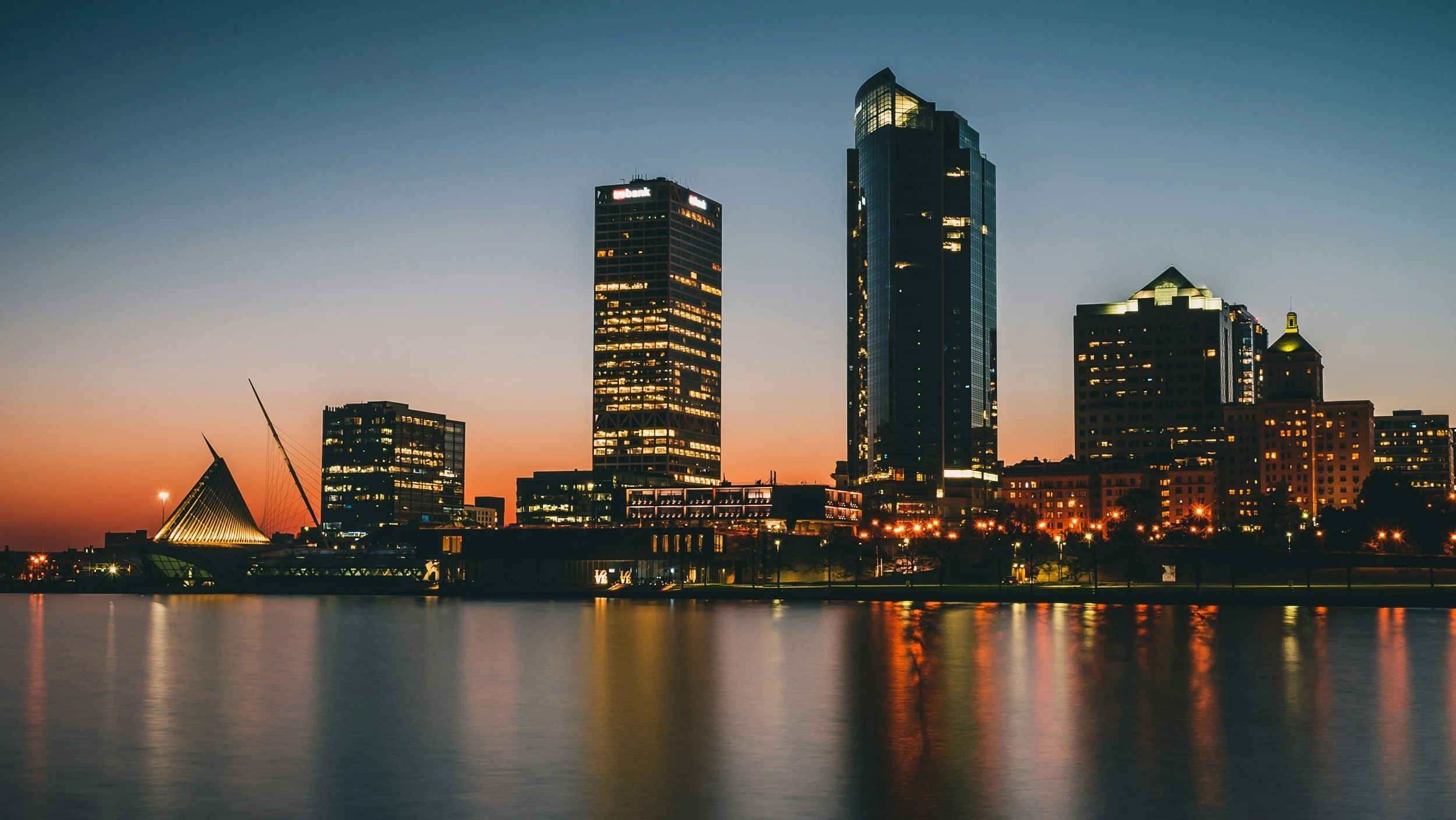
— and what it may mean as you consider your next chapter
For those of us who have lived in the Greater Milwaukee area for much of our lives, it’s easy to take our surroundings for granted. We know our neighborhoods by heart, our favorite streets by memory, and the rhythm of the seasons by instinct. We’ve learned—often the hard way—that Milwaukee weather can turn on a dime. Yet beneath that familiarity lies a story far older and richer than any one of us, and revisiting it can be both grounding and reassuring, especially as we reflect on where we’ve been and where life may lead us next.
Roughly 13,000 years ago, the first humans arrived in what is now Wisconsin. They were resilient and resourceful, surviving without forecasts, furnaces, or modern comforts. Long before our city had a name, Native American tribes—including the Algonquin, Ho-Chunk, Menomonee, Fox, Mascouten, Sauk, and Potawatomi—lived on and cared for this land. From the Algonquin language came the word Mino-akking, later known as Millioke, meaning “good, beautiful, and pleasant land” or “a gathering place by the waters.” Even today, those words still feel remarkably fitting.
By the late 1700s, fur traders recognized what the Native peoples already knew: this was a special place. Names like Jacques Vieau, Jean Baptiste Mirandeau, and Robert LaSalle may sound rugged—and they were. These early settlers built lives along our rivers, laying the foundation for commerce, community, and connection. They understood something we still value deeply: location matters, but so does vision.
One man in particular helped shape Milwaukee’s future—Solomon Juneau, a French-Canadian fur trader who built a modest log cabin along the Milwaukee River in 1822. From that humble beginning grew Juneautown on the east side of the river. Juneau went on to become Milwaukee’s first mayor and a supporter of the city’s first newspaper, the Milwaukee Sentinel. It’s quite a legacy for someone who started with little more than determination and a belief in what this place could become.
He wasn’t alone. In the 1830s, Byron Kilbourn, an Ohio surveyor with a keen eye for growth, purchased land west of the river for $8,500—a fortune at the time. Kilbourntown emerged, an area many of us now recognize around the museum and downtown entertainment district. Meanwhile, George Walker established what we know today as Walker’s Point, completing the trio that formed Milwaukee’s early identity.
These three settlements—Juneautown, Kilbourntown, and Walker’s Point—didn’t always see eye to eye. Their rivalry even led to the colorful Milwaukee Bridge War, a reminder that progress is rarely smooth. Yet in 1846, they united to form the City of Milwaukee. Soon after, an influx of German immigrants helped the city flourish into the vibrant community we know today.
So why does this history matter—especially to those of us who have lived in our homes for 30, 40, or even 50 years?
Because Milwaukee’s story mirrors our own. Change has never been easy, but it has always led somewhere meaningful. Like the early settlers, many of us have faced uncertainty, adapted to new seasons of life, and built something lasting. Within our homes, we raised families, celebrated milestones, endured loss, and created memories that still echo in every room.
Looking back can help us move forward with perspective. Just as Milwaukee honored its past while embracing its future, there may come a time when your next chapter involves letting go of a cherished home and choosing a setting that better supports how you live today—and how you hope to live tomorrow.
If that thought ever crosses your mind, even quietly, know this: you don’t have to have all the answers, and you don’t have to face those decisions alone. Sometimes, a gentle conversation—rooted in experience, patience, and respect—is simply a way to explore possibilities, not commitments.
After all, we still live on Millioke—good, beautiful, and pleasant land. And every chapter written here matters… including yours.