
What Are the Types and Definitions of Senior Housing?
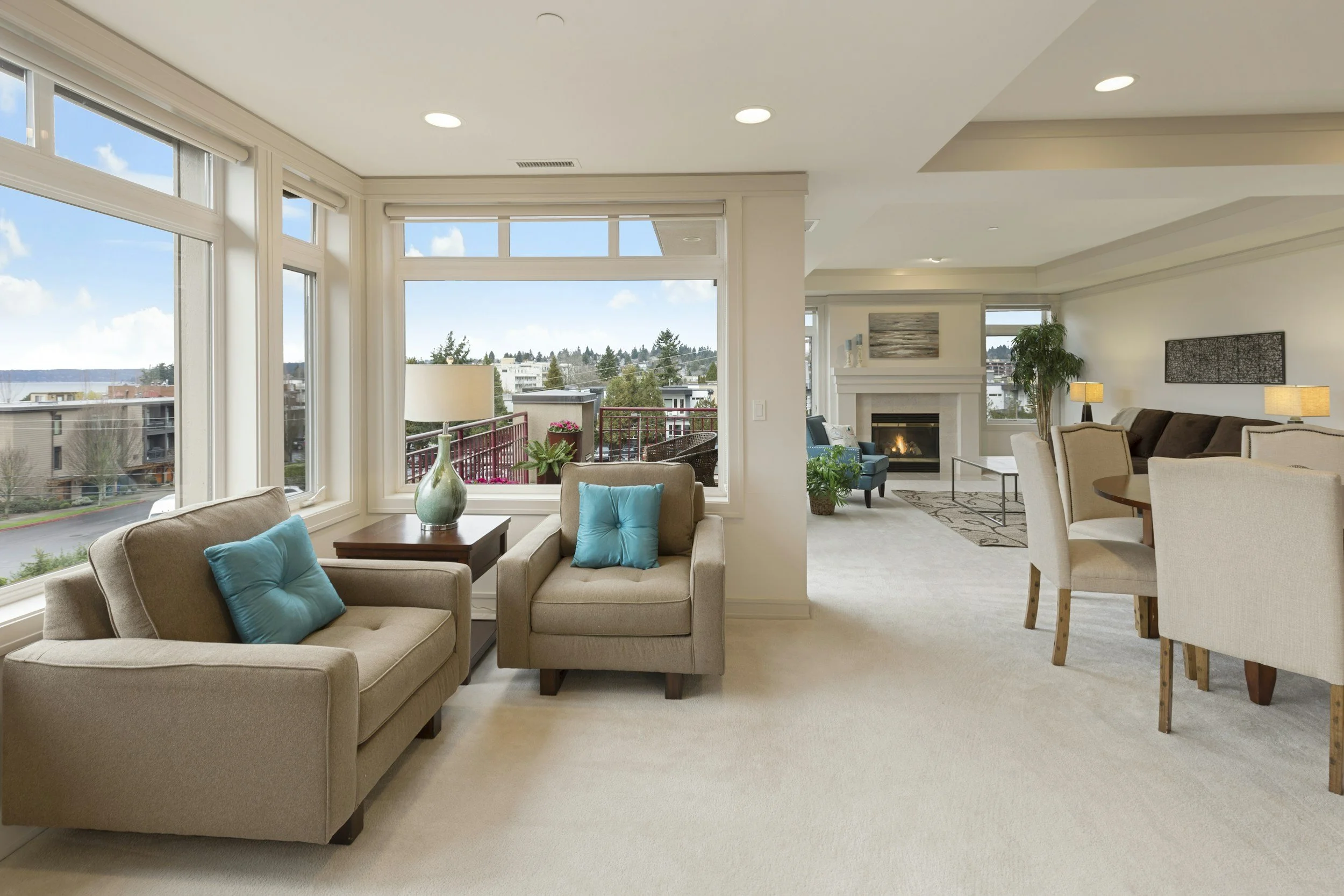
Many of my clients tell me they feel overwhelmed and uncertain when deciding where to move and what life will look like in a new home. Most want to maintain their independence and privacy—and often hope for more opportunities to socialize than their current situation provides. Understanding the different senior housing options available can bring clarity and confidence to this important decision.
Below is an overview of the most common senior housing options available throughout the Greater Milwaukee metro area.
Condominium Living
Condominiums are purchased much like single-family homes but are part of a shared community or complex. They come in many forms, including:
Side-by-side ranch-style units with attached garages
Multi-story buildings with elevators and underground parking
Owners typically pay a monthly condominium fee, usually ranging from $125 to $700, depending on location, amenities, and services provided. These fees generally cover exterior maintenance, landscaping, snow removal, and common-area upkeep. Larger repairs may be paid from a reserve fund, though special assessments can occur.
Condominiums appeal to older adults who want ownership, fewer maintenance responsibilities, and a sense of community—while still maintaining independence.
Senior Apartment Complexes
Senior apartment communities are designed exclusively for older adults who are able to live independently. Residents rent rather than own their unit.
While these communities typically offer limited services, they often include:
Secure buildings
Social activities and common areas
Maintenance-free living
This option works well for seniors who want simplicity, predictability in monthly expenses, and fewer responsibilities.
Retirement Communities
A retirement community is a self-contained residential development designed for older adults. These communities focus on independent living and often include:
Social and recreational activities
Dining options
Transportation services
Wellness programs
Support services may be available, but residents generally live independently. This option is ideal for seniors seeking an active lifestyle with built-in social engagement.
Continuing Care Retirement Communities (CCRCs)
Continuing Care Retirement Communities offer multiple levels of care within one campus, providing peace of mind as health needs change over time. Typically, these include:
Independent Living
Assisted Living (which may include RCACs and CBRFs)
Skilled Nursing Facility (SNF) — also known as a nursing home or health center
The key benefit of a CCRC is continuity of care—residents can remain within the same community even as their healthcare needs increase.
Life Care Retirement Communities
Life Care Communities are a specific type of Continuing Care Retirement Community, with two defining characteristics:
Entrance (endowment) fee plus a monthly fee — The entrance fee is often partially refundable and is designed to offset future healthcare costs.
Guaranteed access to skilled nursing care — Residents are assured placement in the community’s health center when needed.
This option provides long-term security for those who want predictable care planning and financial clarity.
Assisted Living Options in Wisconsin
Wisconsin law recognizes three types of assisted living, each offering different levels of support:
1. Residential Care Apartment Complex (RCAC)
Offers private apartments
Provides assistance with activities of daily living and healthcare needs
Levels of support range from minimal to extensive
Registered with the state but less regulated than CBRFs
2. Community-Based Residential Facility (CBRF)
State-licensed and regulated
Staffed 24 hours a day
Provides personal care, medication management, supervision, and three meals daily
Licensing is based on residents’ ability to move independently, follow directions, and respond appropriately in emergencies
3. Adult Family Home
Serves four or fewer residents in a residential setting
Provides personalized care in a smaller, more home-like environment
Turning Information into the Right Decision
Once you understand the options, the next step is thoughtful self-assessment. Consider both your current needs and your future possibilities, including:
Your health and mobility today—and what may change
Monthly housing costs and long-term affordability
Whether stairs are manageable or undesirable
Driving comfort, especially at night or in winter
Proximity to doctors, shopping, restaurants, and family
The overall feel of the community—does it feel like home?
Consulting with a trusted financial advisor can help ensure your housing choice fits within a plan designed to last a lifetime.
Remember: while you can change décor and furniture, you can’t change location. Being close to family, friends, and familiar surroundings often makes all the difference. The old real estate rule—location, location, location—applies just as much to senior housing.
The Final Step: Visit and Trust Yourself
After narrowing your options, visit each community—ideally with a trusted advisor. Ask questions, observe how residents interact, and pay attention to how you feel while you’re there.
The most successful transitions I’ve witnessed are made by clients who take time to plan, research, and visit multiple options. Preparation leads to confidence—and confidence leads to happiness.
As the saying goes, “Know thyself.” When you understand your needs and priorities, you’re far more likely to find a place you’ll truly love to call home.